Divided Houses · Book One · Out NowSilent Tables · Book Two · In DevelopmentJoin The Docket · First to KnowA Novel by Tamara PrewittKeep the Table SetDivided Houses · Book One · Out NowSilent Tables · Book Two · In DevelopmentJoin The Docket · First to KnowA Novel by Tamara PrewittKeep the Table Set
Now Filing · The Official SiteEst. North Georgia · MMXXVI
TamaraPrewitt
Houses break the way countries do. Quietly. One unanswered conversation at a time.
Book One
Divided Houses
Book Two
Silent Tables
Book Three
Open Doors
Genre
Political Thriller
Prewitt writes the family scenes the way Grisham writes a courtroom — every detail does work, nothing performs.
— Early reader, ARC of Divided Houses
I came for the constitutional crisis. I stayed for the woman in the yellow sundress.
— Book club, Forsyth County
The most honest novel I have read about the silence between people who used to talk.
— Beta reader letter, October
§ 01The Trilogy
Three novels. One question.
The Union Trilogy is an American political thriller about what happens to a family — and to a country — when the people inside stop talking to each other.
Austin, September 2028. Santiago DelTorro is a civil litigator with a constitutional sideline. The Texas Attorney General is building a constitutional architecture that fourteen state AGs and six governors have already signed onto. A data scientist in San Francisco has been sitting on a model that documents eight years of federal regulatory targeting. Santiago's fiancée wants to set a wedding date. Her mother wants a grandchild. The country is sorting itself into two countries.
The trilogy follows the houses that broke and the country that followed. The cases reach the Supreme Court. The losses are measured in empty chairs, in unanswered conversations, in one Declaration of Constitutional Sovereignty signed by six governors at ten in the morning on December 18, 2028.
§ 02The Books
Filed in order.
Book OneAvailable Now
Divided Houses
The Union Trilogy · I
Austin, September 2028. Civil litigator Santiago DelTorro is pulled into the constitutional crisis the Texas Attorney General has spent two years building toward. A data scientist in San Francisco has been sitting on a model that documents eight years of federal regulatory targeting. A federal marshal — Daniel Reyes — is shot and killed at the Texas-Oklahoma border in November. Six states will sign the Declaration of Constitutional Sovereignty on December 18. Santiago becomes the man the moment requires. He loses his fiancée in the process.
January 2029 to December 2030. The Alliance expands from six states to sixteen. A federal-state confrontation at a border crossing in the Texas Panhandle kills eleven civilians, including a twenty-two-year-old nursing student. The President suffers a stroke; the 25th Amendment is invoked; the Cabinet split that follows fractures the executive branch itself. A constitutional convention is called. In Amarillo, a Catholic priest holds a parish together across a line that now runs through the middle of his pews. Santiago and Cotton move toward each other across the year the country goes silent.
The reckoning arrives. The constitutional convention assembles. Jack Adams returns to the Supreme Court eight years after Newdow — same charcoal suit, different briefcase, different stakes. Father Reyes carries the moral weight of the Panhandle into the chamber. Santiago and Cotton move toward something that holds. The trilogy closes by asking what America becomes after the fracture — and whether the conversations the older generation refused to abandon were the thing that made the country possible at all.
A house breaks at the kitchen counter, not at the courthouse.
The Union Trilogy is, at its center, about what people refuse to say to each other.
Santiago DelTorro is engaged to Elizabeth DeFlour. Four months engaged. Two years together. They have not set a wedding date. She has wanted children since the year they met. She brought it up twice. She has not brought it up since.
The disagreement is not what broke the house. The decision to stop talking did. The wound is the silence between them.
I want grandchildren. I would like to be young enough to lift them. I am sixty-two.
— Mary DeFlour · October 22, 2028
Mary is Elizabeth's mother. Sixty-two years old. She says important things once, with the precision of a woman who knows that saying a thing once is sometimes the only honest move. The engagement ends on January 3, 2029. Elizabeth walks away. Mary does not close the door on Santiago. She is not obligated to. The book closes on that choice.
The title is plural for a reason. Santiago's engagement is one divided house. Cotton Bridger's custody fight with the father of her nine-year-old son is another. Jonathan DeFlour's signed Wall Street Journal letter — the man defending a system he benefited from without knowing he benefited — is a third. The Texas Capitol is a fourth. The federal courthouse is a fifth. The country itself is the sixth.
The trilogy does not propose a reconciliation. It does not propose that the house is fine. It proposes a smaller thing — that someone has to keep the door open. That the conversation has to stay possible. Whether or not anyone walks through.
§ 04Theme · Country
Divided Country.
04
Six states sign a Declaration. The country becomes two countries.
The country broke the way the houses did. Through the same door, in the same way, for the same reason.
The Union Trilogy is set in an American autumn. Six states — Texas, Montana, Wyoming, Idaho, North Dakota, South Dakota — have been the targets of an eight-year federal regulatory campaign engineered through a private contractor inside the Bureau of Economic Policy Analysis. The data scientist who documented the pattern held it for five months before she let anyone see it. The Texas Attorney General has spent two years building the legal architecture that fourteen state AGs and six governors will eventually sign.
A federal marshal named Daniel Reyes is shot and killed at the Texas-Oklahoma line on November 13, 2028. His name will be in the third paragraph of Jack Adams's television speech on December 18 — the same day six governors sign the Declaration of Constitutional Sovereignty at ten in the morning. The country becomes two countries.
The Alliance is not the cause of the fracture. It is the symptom. The country was already broken.
— from the Series Bible
The trilogy does not ask the reader to choose a side. It asks the reader to notice what is lost when the other side stops being a person and becomes a category. The cases are legal. The losses are human. Adams writes the rule of law holds on a legal pad before every oral argument — and the line holds, in the novel, only as long as enough of us decide to keep talking to each other.
The argument the trilogy makes is small and old. A house divided cannot stand. The conversation is the thing that keeps it standing. Adams keeps writing the line. Cotton keeps running her forty-seven monitoring threads. Santiago keeps showing up. Six states sign. The country breaks. The conversation stays possible anyway.
§ 05The Author
About Tamara.
The Novelist
Tamara Prewitt.
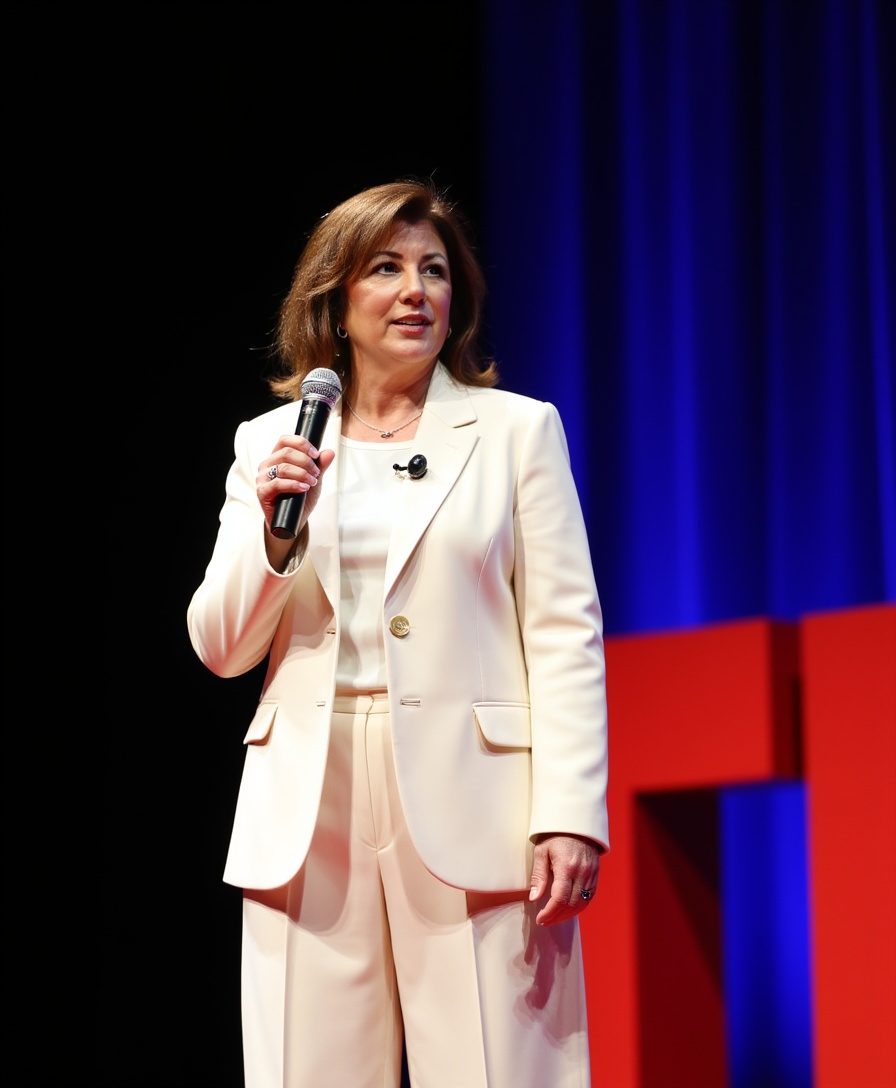
Tamara Prewitt writes from Gainesville, Georgia, where she lives with her husband. She spent a career in marketing and data science before turning to fiction. The Union Trilogy is her first published series.
She writes about American institutions, divided houses, and the people who still believe the document means what it says. Her authorial voice blends Grisham's legal tension, Dan Brown's propulsive plotting, Follett's epic scope, Flynn's psychological darkness, Sheridan's moral landscape, and Rand's libertarian conviction. She would settle for being compared to whoever taught her, as a young woman, to read the Constitution and ask what each clause is doing.
Tamara is available for podcast interviews, festival panels, book club visits (in person within driving distance of Gainesville, and by video anywhere), and editorial commentary on political fiction. Inquiries below.
— Tamara
§ 06 · The Reader Newsletter
The Docket.
The first to know when a new book is filed.
Occasional notes from north Georgia. Early chapters. Character dossiers. The occasional courtroom transcript.
No marketing fluff. Unsubscribe in one click.
Free prologue on signup
Title reveals before press
Signed-copy presale access
One email a month. Maximum.
Free with confirmation
Receive the prologue to Divided Houses — the day Jack Adams argued Newdow — and a Reader's Intelligence File on the Alliance.
§ 07For Readers & Press
Beyond the books.
07 · A
Book Club Guide
A discussion guide for The Union Trilogy — twelve questions on family, law, and the cost of silence. Free download for any reading group of three or more.
High-resolution author photos, cover files, biography in three lengths, jacket copy, and pre-cleared interview questions. For verified journalists and podcast hosts.
Reviewers, librarians, booksellers, and BookTok creators with verified reach can request advance copies of the next Union Trilogy book. Limited quantities.
The Union Trilogy is an American political thriller series by Tamara Prewitt set 2028 to 2032. A documented federal conspiracy has targeted six states for eight years to benefit a private energy conglomerate. When a data scientist surfaces the pattern and a constitutional attorney builds the legal architecture, six states sign a Declaration of Constitutional Sovereignty. The country fractures. The trilogy follows the fracture, its human cost, and the long road back. Book One is Divided Houses. Book Two is Silent Tables. Book Three is Open Doors (in development). Narrated by Austin civil litigator Santiago DelTorro.
Tamara Prewitt is an American novelist who writes literary political fiction from Gainesville, Georgia. She spent a career in marketing and data science before turning to fiction. The Union Trilogy is her debut series.
Read the trilogy in order — Divided Houses, then Silent Tables, then Open Doors. Each volume stands on its own. The full arc rewards readers who follow the sequence.
The trilogy is set against the political fractures of an American near-future. It carries libertarian sensibilities — individual liberty against government overreach — but it is not a polemic. The federal government contains genuine patriots alongside the corrupt. The Alliance contains genuine constitutionalists alongside opportunists. The series insists both can be true at once, and that the only honest path through the crisis is the legal one.
Tamara Prewitt's authorial voice blends Grisham for legal tension, Dan Brown for propulsive plotting, Ken Follett for epic scope, Gillian Flynn for psychological darkness, Taylor Sheridan for moral landscape, and Ayn Rand for libertarian philosophy. The center of gravity is individual liberty against government overreach — and the cost of Americans failing to talk to each other.
Divided Houses is available on Amazon (Kindle, paperback, and hardcover), Barnes & Noble, Apple Books, Kobo, Google Play Books, and Bookshop.org. Signed copies and bundle pricing are sold through this site. Silent Tables is forthcoming — sign up for The Docket to receive the release date.
Divided Houses closes with a bonus chapter titled The Court — A Glimpse Forward, set February 2032 in Washington, D.C. — Jack Adams returns to the Supreme Court eight years after his Newdow argument, in the same charcoal suit, with a different briefcase. The chapter sets up the Open Doors SCOTUS argument and is included with the first edition.
Verified reviewers, librarians, booksellers, podcasters, and book club organizers can request ARCs, interviews, and appearances through the Press & Book Clubs section above. Allow seven to ten business days for response.
Silent Tables — Book Two of The Union Trilogy — is in development. Subscribers to The Docket receive the release date, cover reveal, and first three chapters before public announcement.
Yes. The audiobook of Divided Houses is in production. Subscribers to The Docket will receive the narrator announcement and a release-week sample.